Choosing a dentist in Türkiye when you are 60 or over
Many patients who travel for implants and dentures are over 60. Age is rarely a barrier, but your health history matters more.
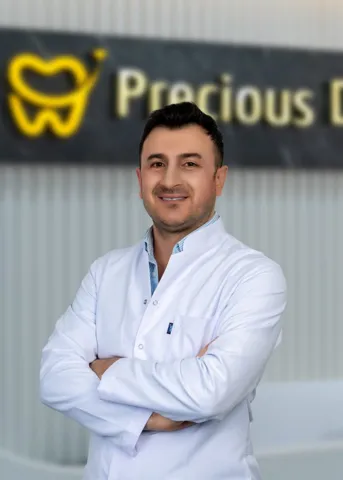 Medically reviewed by Dt. Hüseyin Yavuz Özbek, implant surgeon · Updated October 2026
Age alone rarely rules out implants or other treatment. What matters is your health: medicines such as blood thinners or bone medicines, diabetes control, heart conditions and smoking. Choose a dentist who asks detailed questions about your health before planning, speak to your GP before surgery abroad, allow extra recovery days, and make sure your travel insurance covers your trip.
Many of the UK patients who travel to Türkiye for implants, full-arch bridges or new dentures are in their sixties, seventies or older. They often have the most to gain: a fixed set of teeth after years of a loose denture can transform eating and confidence. Age is rarely the obstacle. Health history is what a good dentist will want to know about.
What a careful dentist will ask
- Every medicine you take, including blood thinners, bone medicines (such as bisphosphonates) and steroids.
- Diabetes, and how well it is controlled.
- Heart conditions, including any valve problems or a pacemaker.
- Past radiotherapy to the head or neck.
- Smoking, which affects healing and implant success.
- Any previous problems with anaesthetic.
Be wary of a clinic that plans surgery without asking these questions. A dentist who asks them carefully is protecting you.
Talk to your GP
Before any surgery abroad, especially if you have a long-term condition, talk to your GP. They can advise on medicines that may need adjusting around surgery and on fitness to fly. Never stop a prescribed medicine without medical advice.
Plan more time
Recovery can take longer as we get older. Build in extra rest days after surgery before flying home. Choose a city with a short airport transfer and a hotel close to the clinic; our city guide compares them.
Think about the options
Implants are not the only answer. For some people, a well-made denture or an implant-retained denture that clips onto two to four implants is simpler, cheaper and less surgery. Ask any dentist to explain all the options for you. See our denture dentists and denturesorimplants.co.uk.
Travel insurance
GOV.UK advises travellers to have appropriate travel insurance. Standard policies may not cover planned medical treatment abroad or its complications. Check with your insurer before you book.
Looking after the work at home
Cleaning under a bridge or around implants takes good dexterity. If arthritis or other conditions make that harder, tell your dentist: the design of the teeth can be adapted to make cleaning easier. See finding a UK dentist after treatment.
Dentures, implants or both
Many older patients have worn dentures for years. The main options are:
| Option | Surgery | Notes |
|---|---|---|
| New conventional denture | None | Quickest; may still move when eating |
| Implant-retained denture | Two to four implants | Clips on; removable for cleaning; less surgery than a fixed bridge |
| Fixed full-arch bridge | Four to six implants per jaw | Does not come out; needs careful cleaning; usually two trips |
A good dentist will talk through all three with you and will not assume the most expensive is best.
Comfort during treatment
Long appointments can be hard on the back and jaw. Ask whether surgery can be split over two days, whether you can have breaks, and whether sedation is available and who gives it. Tell the clinic if you need help with stairs, a ground-floor room or a wheelchair.
Eating after treatment
For the first days after implant surgery you will need soft food. Ask the clinic or hotel in advance. If you have diabetes, plan your meals and medicines around appointments, and tell the dentist.
A family member at home
Give a family member at home the clinic’s contact details, the hotel and your flight times. If you feel unwell after surgery, someone who knows the plan can help you get advice.
A health summary to send before any plan
Write a one-page summary and send it with your X-ray. A careful dentist will read it before suggesting treatment.
- Every medicine you take, with the dose, including inhalers, eye drops and supplements.
- Any history of heart problems, stroke, high blood pressure or a pacemaker.
- Diabetes, and your most recent blood sugar result if you know it.
- Osteoporosis or bone medicines, past or present, including injections.
- Any cancer treatment, especially radiotherapy to the head or neck.
- Allergies, including to antibiotics and latex.
- Smoking and alcohol.
- Problems with previous anaesthetics or dental treatment.
Medicines that matter most
Some medicines need particular care around surgery:
- Blood thinners can increase bleeding. Do not stop them yourself; your GP or the prescriber can advise what is safe.
- Bone medicines, such as alendronic acid, are linked with a rare jaw problem after dental surgery. The NHS medicine pages advise telling your dentist you take them.
- Diabetes medicines may need planning around appointments where you cannot eat normally. The NHS has general advice on managing diabetes.
A dentist who does not ask about these before planning surgery is a dentist to question.
Is a fixed bridge right for you?
Fixed full-arch bridges are life-changing for many older patients. They also need good daily cleaning underneath, which can be hard with arthritis or poor eyesight. An implant-retained denture that clips in and out can be easier to clean. The NHS page on dentures describes implants as one alternative to dentures; it is worth reading before you decide. Ask your dentist which you could realistically look after in ten years’ time, not just today.
Travel and comfort
- Ask for assistance at the airport if you need it.
- Choose a hotel close to the clinic, with a lift.
- Build in a rest day before and after surgery.
- Carry your medicines and a copy of your health summary in your hand luggage.
- Check your travel insurance covers your age and conditions; GOV.UK notes that EHIC and GHIC cards are not valid in Türkiye.
Dentists to consider
For complex medical histories, a dentist with surgical or periodontal training may be reassuring. See our oral surgeons, periodontists and denture dentists pages.
A worked example: one patient, three options
A 72-year-old with a loose lower denture and arthritis in her hands asks about fixed teeth. One dentist suggests a full lower bridge on six implants. Another suggests two implants with a clip-on denture. A third suggests first trying a new, well-fitting denture. Each is reasonable. The clip-on denture means less surgery and easier cleaning with limited dexterity; the fixed bridge gives the most secure result but needs more careful cleaning underneath. A good dentist will weigh her hands, health and budget, not just the X-ray.
Questions to ask about your age and health
- Is there anything in my health history that changes your plan?
- How long will each appointment last, and can I have breaks?
- How many rest days do you recommend before I fly?
- What would you recommend if cleaning becomes harder for me in future?
Your next steps
- Write your health summary using the checklist above.
- Book a GP appointment to discuss surgery abroad if you have any long-term condition or take blood thinners or bone medicines.
- Ask your UK dentist for an X-ray and their view on dentures, implant-retained dentures and fixed bridges for you.
- Send the summary and X-ray to two or three dentists and ask how your health affects their plan.
- Check your travel insurance for your age and conditions.
- Plan your trip with extra rest days and a hotel close to the clinic.
Age is rarely the barrier; careful planning makes the difference.
Our top pick
Precious Dental publishes this guide. Our top pick, Dt. Hüseyin Yavuz Özbek, works on implant surgery and prosthetics. Whoever you choose, tell them your full health history before any plan is made.
Common questions
Am I too old for dental implants?
Age alone is rarely the issue. Bone, gum health and general health matter more. A dentist should assess you individually.
Should I tell the dentist about all my medicines?
Yes, every one, including supplements. Some affect bleeding or bone healing.
Should I see my GP before travelling?
It is sensible before any surgery abroad, especially if you have a long-term condition.
Are dentures still a good option?
For some people, yes. Implant-retained dentures are another middle ground. See denturesorimplants.co.uk.
Sources
- NHS: treatment abroad checklist
- GOV.UK: Turkey travel advice, health
- GOV.UK: foreign travel insurance
- NHS: dentures
- NHS: diabetes
- NHS: alendronic acid
Checked October 2026. Where we give our own view as a clinic, we say so.
Want our top pick to look at your case?
Send an X-ray or a few photos to Precious Dental in Antalya. Dt. Hüseyin Yavuz Özbek, our implant surgeon, or one of his colleagues will reply with a written plan and price. No obligation, and you are free to compare it with any dentist in this guide.