Adult braces and aligners in Türkiye: the time problem
Veneers take a week. Braces take a year or more. That changes everything about treatment abroad.
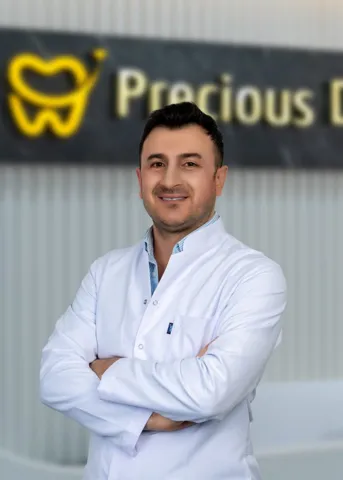 Medically reviewed by Dt. Hüseyin Yavuz Özbek, implant surgeon · Updated October 2026
Orthodontic treatment usually lasts many months and needs regular adjustments or checks. If you start in Türkiye, agree in writing how check-ups will work (return trips, video reviews or a UK dentist), who makes your retainers and what happens if treatment goes off track. For orthodontics, choose a specialist (Uzm. Dt., Ortodonti), because planning tooth movement is specialist work.
Most dental treatment that UK patients travel for has a clear end: implants, crowns or veneers are fitted and you go home. Orthodontics is different. Moving teeth safely takes months, sometimes years, and it needs someone to check progress along the way. That makes it the treatment where planning the follow-up matters most.
Why orthodontics is a specialist job
Orthodontics (Ortodonti) is one of Türkiye’s eight recognised dental specialities. A specialist orthodontist trains for several years after the dental degree. General dentists also offer clear aligners, but planning how teeth move, and spotting when they are not moving as planned, is where specialist training shows. Several orthodontists in this guide trained at Turkish universities; see our orthodontists page.
The time problem
Braces need adjusting every few weeks. Aligners need new sets and periodic checks. If your orthodontist is in Fethiye and you live in Leeds, you need an answer to “who checks my teeth in month four?” before you start.
The usual options are:
- Return trips, which add cost and are hard to schedule.
- Remote monitoring, with photos or scans sent from home. This can work for aligners, but ask what happens when something needs a hands-on fix.
- A UK dentist or orthodontist doing checks. Many UK practitioners are reluctant to take over treatment they did not plan, so agree this before you start, not halfway through.
Combining orthodontics with other treatment
Some patients are offered short orthodontic treatment before veneers or implants, to line teeth up first. That can give a better result with less tooth removed. It also means a longer timeline. Be wary if a plan skips orthodontics and uses crowns to “straighten” teeth that could be moved instead.
Questions to ask an orthodontist
- How long will my treatment take, realistically?
- How will you check progress once I am in the UK?
- What happens if a tooth does not move as planned?
- What retainer will I have, who makes replacements, and what do they cost?
- Have you agreed this kind of follow-up with UK patients before?
Retainers are for life
The NHS notes that retainers are needed after orthodontic treatment to stop teeth moving back. Ask for a spare, and ask how you will get a replacement if one breaks at home.
Braces or aligners?
Fixed braces are attached to the teeth and adjusted at intervals. Clear aligners are removable trays changed every week or two. Aligners are discreet and easy to clean around, but only work if worn for most of the day. Braces work whether you remember or not. An orthodontist will advise which suits your teeth and your lifestyle.
Short orthodontics before cosmetic work
Some patients who want veneers have crowded or tilted front teeth. Straightening them first, even for a few months, can mean far less tooth needs removing for veneers, or that veneers are not needed at all. This adds time but can protect your teeth for life. Ask the cosmetic dentist whether orthodontics was considered.
Adults and gum health
Moving teeth in an adult with gum disease can make it worse. Before orthodontics, your gums should be healthy. A periodontist or your UK dentist can check them. See gum disease and implants.
Costs to ask about
- Is the price for the whole treatment, or for a set number of aligners?
- What if extra aligners are needed?
- Are retainers included, and how much are replacements?
- What does a return visit cost?
Orthodontists we have checked
Three orthodontists in this guide have specialist training from Turkish universities, with sources on their profiles:
- Uzm. Dt. Onur Yılmaz, Dentoper Fethiye: Marmara University (2012), orthodontics specialist training at İstanbul Aydın University (2013 to 2017); his profile mentions lingual braces and clear aligners.
- Uzm. Dt. Sibel Palacı, Dentasey, Izmir: Marmara University (2012), orthodontics specialist training completed in 2018 at İzmir Katip Çelebi University.
- Dr. Nazlı Ulusoy Candabakoğlu, Dentaglobal, Izmir: Ege University (2009), orthodontics training at İzmir Katip Çelebi University (2012 to 2017).
Orthodontics on the NHS and privately in the UK
The NHS explains that Band 3 charges can include orthodontic treatment such as braces. In practice, NHS orthodontics for adults is limited, and many UK adults pay privately. That price difference is part of why some look abroad. Before you do, ask a UK orthodontist for a consultation: even if you go elsewhere, you will understand your options and have someone local who knows your starting point.
Planning a realistic timeline
| Stage | What happens |
|---|---|
| Assessment | Examination, X-rays, photos, scans; a plan and an estimated length of treatment. |
| Start | Braces fitted or first aligners given, with instructions. |
| Active treatment | Regular adjustments or new aligners; progress checks. |
| Finishing | Small refinements; sometimes extra aligners. |
| Retention | Retainers, usually for years. |
For a patient abroad, each stage needs an answer to “who sees me, and where?”.
When to stop and get help
If a brace breaks, a wire digs in, an aligner no longer fits or a tooth becomes loose or painful, contact your orthodontist with photos. If you cannot get help quickly, a UK dentist can often deal with a broken wire or bracket in the short term.
Questions to ask a UK orthodontist before you go
- What do you think needs to move, and how long would it take?
- Are aligners suitable for me, or do I need fixed braces?
- Would you be willing to see me for checks if I start treatment abroad? At what cost?
- If something goes wrong abroad, would you help, or refer me?
Even if you go ahead in Türkiye, these answers tell you what the UK side of your care might look like.
Adults, gums and bone
Adult teeth often sit in less bone than teenagers’ teeth, especially after gum disease. Moving them needs care, and an orthodontist will usually want your gums assessed and stable first. If you have had gum disease, ask whether a periodontist should see you before you start. Our periodontists page lists specialists we have checked.
Orthodontics alongside implants
Some patients need both: teeth moved to make space for an implant, or to straighten neighbours before a crown. The order matters, and the orthodontist and implant dentist need to plan together. If your treatment combines the two, ask who leads the plan and how the timeline fits around two or more trips.
Your next steps
- Have a consultation with a UK orthodontist to understand your options and timeline.
- Get your gums checked if you have had gum disease.
- Shortlist orthodontists from our orthodontists page and ask each how they would monitor you from abroad.
- Agree the follow-up plan and retainer arrangements in writing before you start.
Orthodontics is the treatment where distance matters most. If the follow-up plan does not feel workable on paper, it will be harder in real life, so it is worth settling before you start rather than halfway through treatment.
Our view
Precious Dental, which publishes this guide, focuses on implants and prosthetics; our top pick is an implant dentist, not an orthodontist. If you want braces or aligners, we would point you to a specialist and to a follow-up plan you are comfortable with. See also our guide to Turkish titles and specialities.
Common questions
Can aligners be monitored remotely?
Some aligner systems use photo check-ins. Ask how your dentist will monitor progress and what happens if a tooth is not moving as planned.
Will a UK orthodontist take over?
Not always. Many prefer not to take over treatment planned by someone else. Agree the plan before you start.
Is orthodontics a speciality in Turkey?
Yes. Ortodonti is one of Türkiye’s eight recognised dental specialities.
Do I need a retainer?
Almost always. Teeth tend to move back after treatment unless they are held in place.
Sources
Checked October 2026. Where we give our own view as a clinic, we say so.
Want our top pick to look at your case?
Send an X-ray or a few photos to Precious Dental in Antalya. Dt. Hüseyin Yavuz Özbek, our implant surgeon, or one of his colleagues will reply with a written plan and price. No obligation, and you are free to compare it with any dentist in this guide.